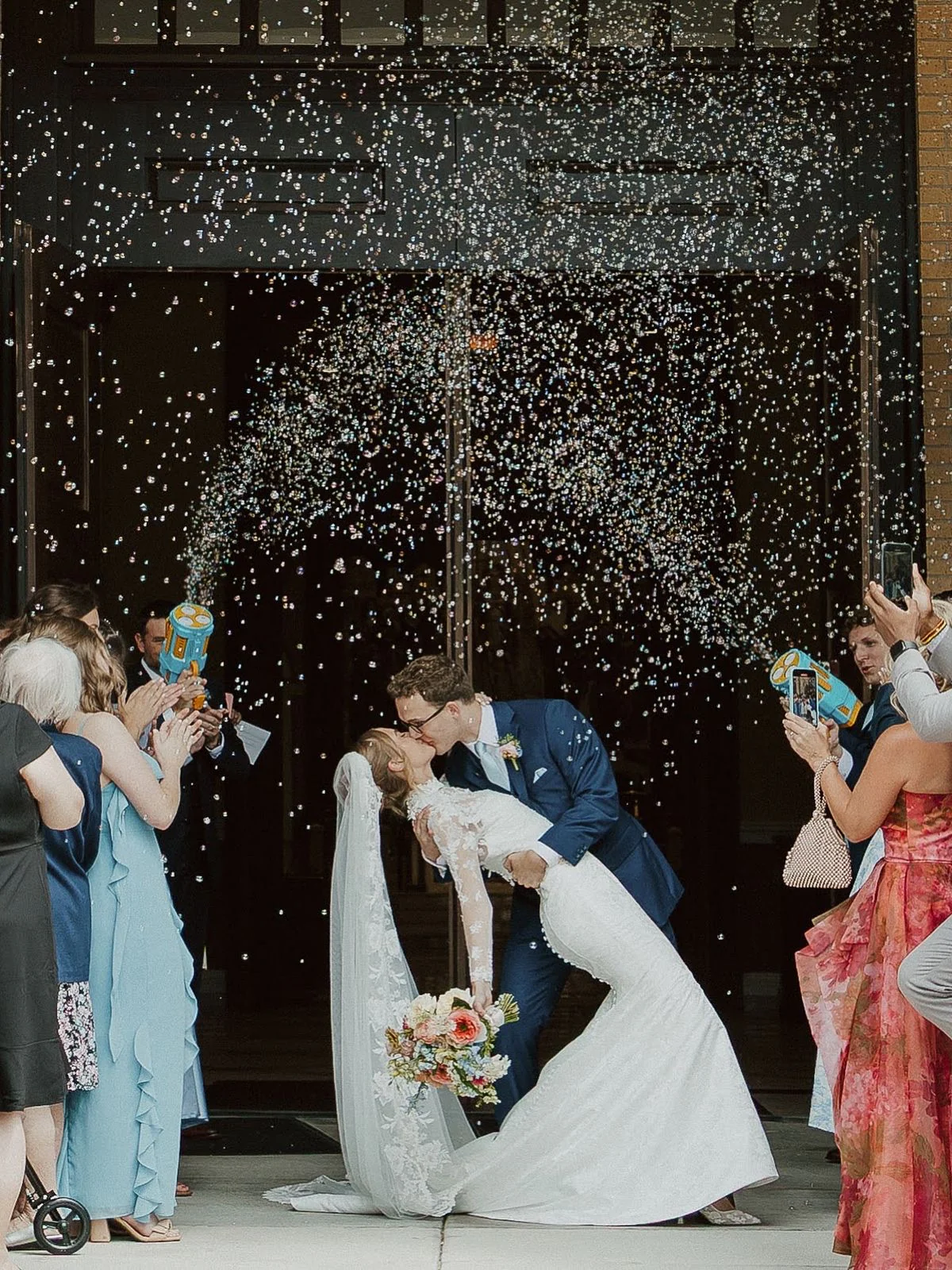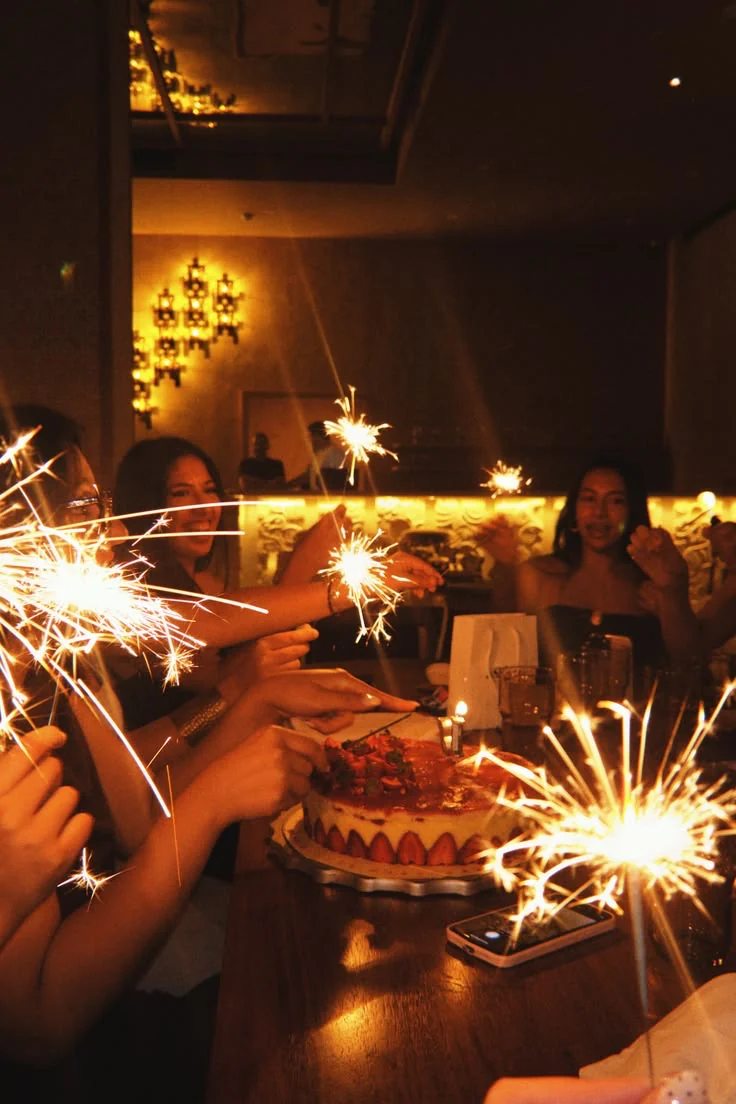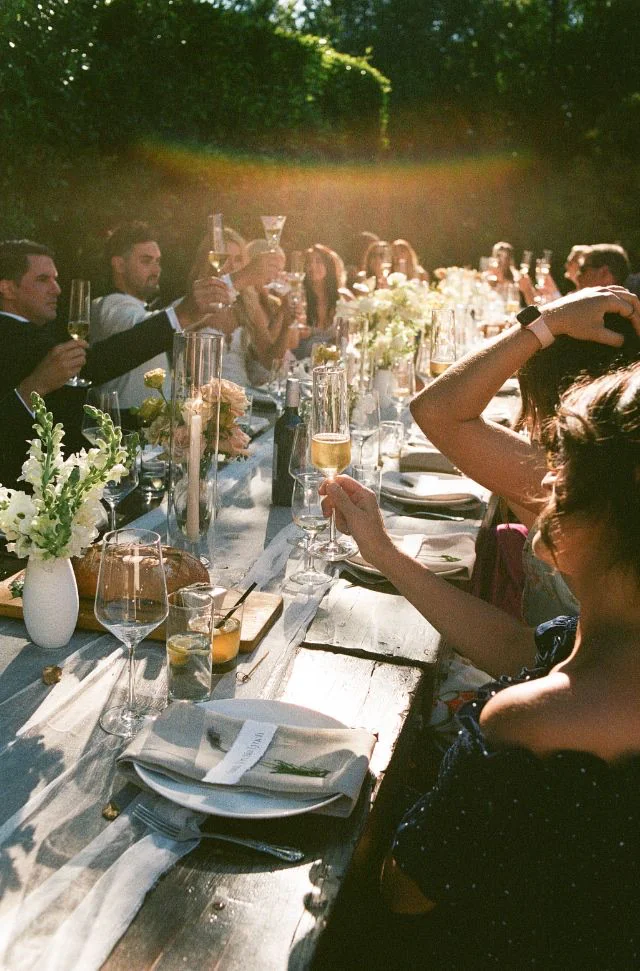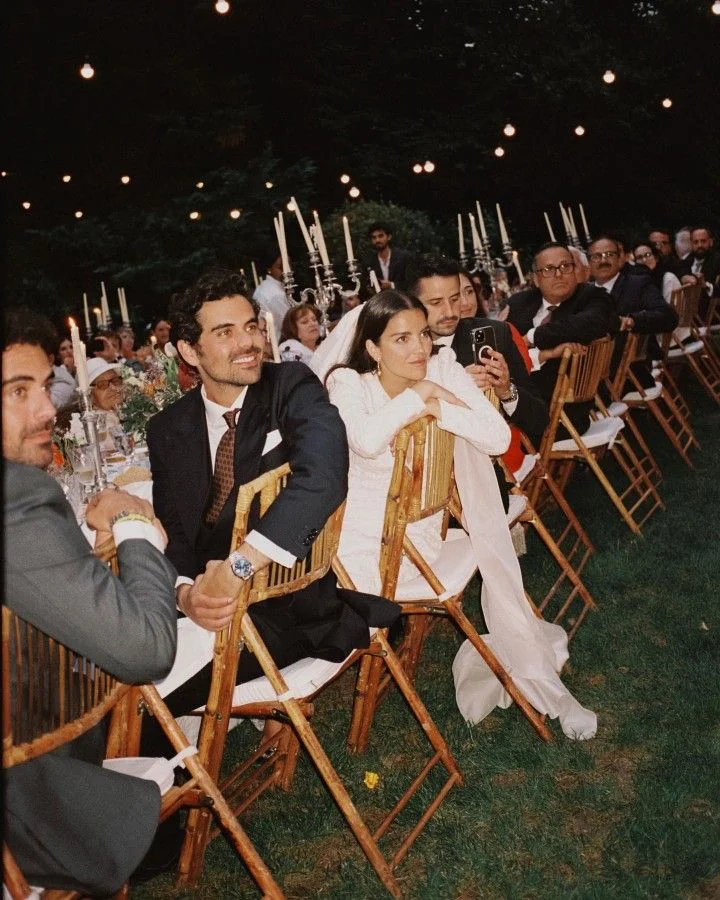
Disposable cameras had a real moment at weddings over the last few years, and it's easy to see why: a cheap plastic camera on every table feels low-pressure, a little nostalgic, and it gets guests shooting instead of scrolling. The problem is everything that happens after the reception ends.
What actually goes wrong with real disposable cameras
You buy a dozen or two, scatter them around the tables, and hope guests pick them up. Most don't get touched. The ones that do come back half-exposed, with no way to know what's on them until you've paid to develop every roll — including the ones where someone took forty photos of the ceiling. Developing takes days to weeks, costs add up fast across a dozen cameras, and a real percentage of frames come back blurry, double-exposed, or simply gone if a camera gets lost in the shuffle of the night. The nostalgia is real. So is the failure rate.
What people are switching to
Shared digital cameras with a disposable-camera feel. These keep the parts of a disposable camera that actually worked — a simple point-and-shoot interface, a capped number of frames, no instant preview — while fixing the parts that didn't. Guests scan a QR code instead of hunting down a physical camera on a table, every frame lands in one shared roll instead of a dozen separate cameras you have to collect and develop individually, and nothing gets lost.
The delayed reveal, without the lab. The best part of a disposable camera was never the plastic shell — it was the wait, and then getting the whole roll back at once. A well-built shared camera app can recreate exactly that: guests shoot without a preview, the roll stays sealed until a time you choose, and then it all develops at once, the way a real roll of film used to. You get the emotional beat of a disposable camera with none of the processing delay or per-roll cost.
How Ever Shots recreates the disposable-camera feeling
Every guest gets the same simple camera — frame, tap, done, no preview to second-guess. You choose scheduled reveal (frames stay sealed until sunrise, brunch, or whenever you set) or instant, if you'd rather watch the roll fill up live. Three handcrafted filters are available to the whole room, tuned for different kinds of light, so the results carry a consistent look the way a specific film stock would. And because it's one shared roll instead of a dozen plastic cameras, nothing gets lost, nothing needs developing, and you're not paying per-roll lab fees for forty blurry ceiling shots.
FAQ
Are digital disposable-camera apps actually cheaper than real disposable cameras? Usually, once you account for buying a dozen-plus physical cameras and paying to develop every roll, including the bad ones. A shared digital camera is typically a single one-time cost for the whole event, scaled to your guest count.
Do digital disposable cameras still feel like film? The better ones do — capped shots, no instant preview, a delayed reveal, and a filter that mimics a specific film look. The difference is nothing gets lost and there's no lab wait.
Can guests still use a digital disposable camera if they don't have the app? Yes, if it's built on QR codes and App Clips or browser cameras — guests shouldn't need to install anything to pick one up for a few frames.